GTA 6 Heat System Explained: How the New Wanted Level Works
The wanted level is back in GTA 6 with up to six stars, but police now build a picture of who you are. Early hands-on reports explain the new Heat system, from colored stars to areas that stay hot after a chase.
Our verdict
Confirmed by Rockstar. Sourced directly from Rockstar Games or Take-Two Interactive.
Key facts
- 1GTA 6 keeps a six-star wanted level, now combined with a Heat system (Engadget, 18 November 2026).
- 2Star color shows whether police know you are the suspect.
- 3Six identity icons so far: camera, accomplice, clothes, face, weapon and vehicle.
- 4Areas with repeated crimes turn hot, shown in purple on the map, and cool down over time.
Now that Grand Theft Auto VI is rolling out, players and press are getting a close look at how Rockstar changed the series' police mechanics. Engadget published a breakdown of the new Heat system on 18 November 2026, based on time with the game.
This is an editorial report built on hands-on coverage of the released game. Rockstar has not published its own guide to the system.
Wanted stars now change color
The wanted level still runs up to six stars, and the response escalates as before, from a couple of patrol cars at one star to helicopters and armored vehicles at four stars and above. What is new is that the stars change color depending on what the police know:
- White with a black outline: police are investigating but do not know you did it. Slip away unnoticed.
- Gray: police know some identifying details about Jason and Lucia.
- White: police are on to you. Break line of sight to escape.
- Red: you lost them, but they will chase you again if they recognise you.
The six identity icons
Under the stars, tracking icons show how police can recognise you. Engadget has seen six so far:
- Camera: you were caught on a security camera
- Accomplice: police know Jason and Lucia travel as a pair, so splitting up helps
- Clothes: your outfit is known, so change clothes
- Face: your faces are known, so wear a mask before the crime
- Weapon: police saw your weapons, so hide them
- Vehicle: your getaway car is known, so ditch it or use a Pay 'n' Spray
Hot areas on the map
Heat also builds up by region. Commit several crimes in one area and police patrols increase there, even after you lose your wanted level. Hot areas show a purple overlay on the map and cool down over time if you stay clean.
Why it matters
The system rewards preparation over shootouts. Masks, outfit changes and disposable cars matter more than in GTA 5, which fits the more grounded direction other launch reports describe. For the wider world, see our Leonida map guide.
Buying guide
Where to buy GTA 6 cheapest
Pick your edition and platform to see current G2A offers. G2A listings only, not a comparison of every store.


Questions
How do you lose the police in GTA 6?+
Break line of sight, then remove what identifies you: change clothes, wear a mask, hide weapons, split up Jason and Lucia, or ditch or respray your vehicle.
What do the purple areas on the GTA 6 map mean?+
They are hot areas where you committed crimes. Police patrol them more until the heat cools down.
How many wanted stars does GTA 6 have?+
Up to six stars, according to Engadget's hands-on report.
Sources
About the author
Simon Simek
Editor
Simon Simek edits GTA 6 Track. He follows Rockstar's official channels and Take-Two's investor updates, and puts a Confirmed, Leak or Speculation label on every story and map pin he publishes. Spotted a mistake? Get in touch through the contact page.
More from Simon Simek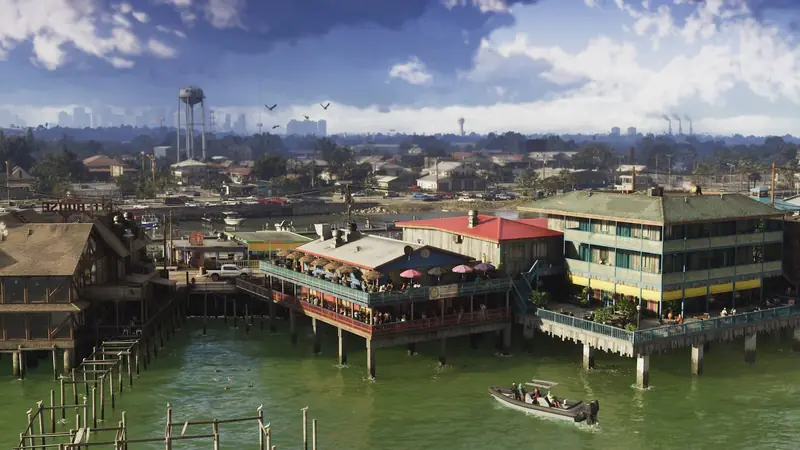
Rockstar Mapped Out a Full Drug Network Behind GTA 6's Gang Compounds
Leonida's gangs are not just set dressing. Rockstar's open world senior design director Steven Messinger says the team mapped out a complete drug network behind the gang compounds, from where the drugs come from to the street-level buyer.
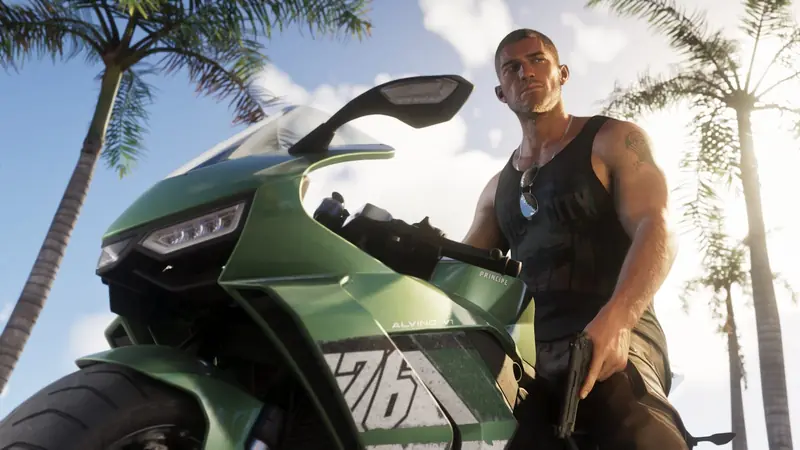
GTA 6 Secret Dimension: The Strange Container Near Lake Tallaloko
Players have found one of GTA 6's strangest secrets in Lumox County. An item in a shipping container near Lake Tallaloko sends Jason into a surreal, Backrooms-style dimension full of platforming and an underwater section.
GTA 6 Easter Egg: An NPC Thinks Leonida Is a Simulation
Players have found one of GTA 6's best easter eggs in a house in Belville, Leonard County. Its garage holds a conspiracy wall built by a resident who is convinced Leonida is a simulation, and the house itself matches a mysterious UFO photo Rockstar hid in a San Andreas remaster back in 2021.
GTA 6 Dexter Easter Egg: Where to Find Dexter Morgan's Apartment
Rockstar has slipped a tribute to Showtime's Dexter into Vice City. Guide sites have pinned down a waterfront block on Washington Island that closely recreates Dexter Morgan's Miami apartment, complete with a few grim clues for fans of the show.